Reviewing the Mom You Are the Best Design for Mother’s Day
As an embroidery designer who has spent years digitizing patterns and testing them on everything from stiff denim to delicate silk, I approach every new machine embroidery design with a critical eye. It is not enough for a file to look pretty on a screen; it must hold up under the needle, survive the wash, and resonate with the end customer. Recently, I evaluated the Mom You Are the Best Design Mother s Day to determine its viability for real-world projects. This is not just another generic graphic; it is a piece of Graphics content that demands careful consideration before being stitched into a handmade product.
First Impressions and Visual Personality
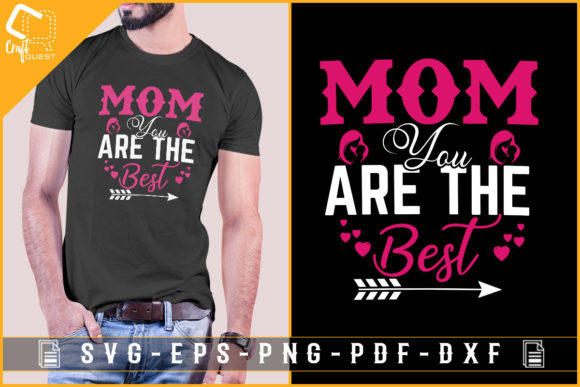
The initial visual impact of this design is warm and affectionate, perfectly suited for the emotional weight of Mother’s Day. The layout balances sentimentality with clarity, which is crucial when working with thread rather than ink. In the world of Crafts, legibility is king. If the message gets lost in dense stitching or poor scaling, the gift loses its power. This design appears to prioritize clean lines and readable typography, which suggests it will translate well into both satin stitch borders and fill stitch backgrounds.
When I imagine this design on a finished item, I see it working best as a focal point. It does not seem overly complex, which is a positive trait for production efficiency. For an Etsy seller or a small shop owner, time is money. A design that stitches out cleanly without excessive jump stitches or trims is invaluable. The mood is celebratory yet classic, avoiding trendy fonts that might date the personalized gift within a year.
Real-World Application: The Tote Bag Test
To truly understand how the Mom You Are the Best Design Mother s Day performs, I mentally placed it on a canvas tote bag. This is a staple item for any craft business. Canvas provides a stable surface, allowing the embroidery file to sit flat without puckering. In this scenario, the design would likely serve as the central element, perhaps accompanied by a simple floral accent if the user chooses to expand upon the base file.
However, the versatility extends beyond totes. I can easily visualize this as sweatshirt embroidery on the left chest area. Here, scale becomes critical. If the design is too large, it may distort on the curved surface of the torso. If it is too small, the lettering might become illegible. For custom apparel, I recommend testing the design at various sizes on scrap fabric to find the sweet spot where the text remains crisp but the hoop size remains manageable. This same logic applies to baby embroidery on onesies, where softness and minimal bulk are paramount.
Navigating Fabric and Stitch Challenges
One must be cautious when applying this design to challenging materials. While it may look flawless on cotton, textured fabrics like terry cloth or heavy fleece require adjustments. The stitch density must be appropriate to prevent the design from sinking into the pile. For these materials, using a topping stabilizer is non-negotiable. Similarly, on stretchy fabrics used for custom apparel, proper hooping and stabilizer selection are essential to maintain the integrity of the letters.
Dark fabrics present another hurdle. If the design relies on light thread colors for contrast, ensure that the underlying fabric does not show through gaps in the stitching. A dense fill stitch background might be necessary to create a solid base for lighter top threads. Always test your thread colors against the fabric before committing to a final embroidery project. A quick black-and-white mockup can reveal contrast issues that color screens might hide.
Commercial Viability and Customer Trust
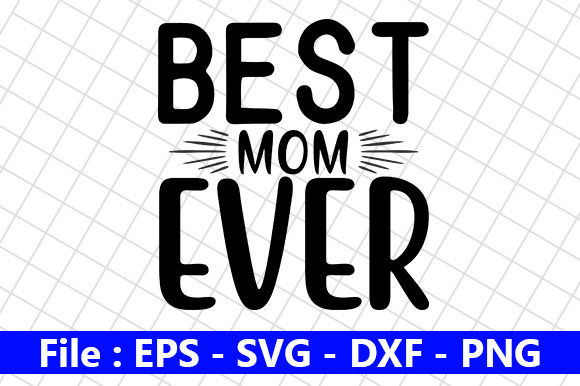
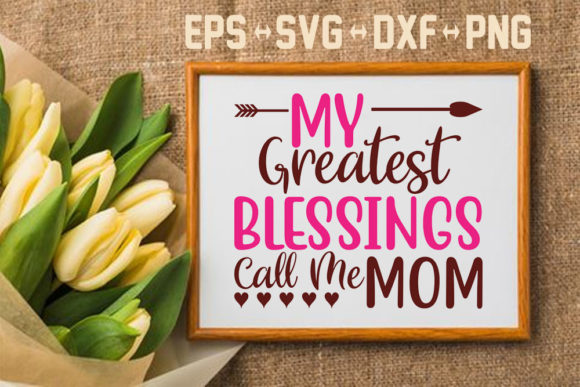
For those running a small shop product line or selling digital assets, the quality of the source file matters. The product description notes that this includes SVG, EPS, DXF, PNG, and PDF files, ready to print. This variety is excellent for multi-platform creators who might use the SVG for vinyl cutting with a Cricut while using the PNG for sublimation or printable mockups. However, note that mockups are not included, so you must create your own presentation images to attract buyers.
Using a high-quality digital embroidery file like this builds customer trust. When a buyer receives a finished product with clean edges and no loose threads, they associate that quality with your brand. This design, when executed correctly, enhances the perceived value of items like embroidered patches, aprons, or pillow covers. It signals professionalism and attention to detail, key factors in retaining customers in the competitive holiday embroidery market.
Practical Designer Notes
Before launching this design into your production line, consider these practical steps:
- Test on Scrap Fabric: Never stitch directly onto your final garment. Use similar material to check for puckering or registration issues.
- Check Hoop Size: Ensure the design fits comfortably within your machine’s hoop, leaving room for stabilization.
- Verify Licensing: Confirm whether the license allows for commercial use of finished items. This is crucial for commercial embroidery projects.
- Inspect Small Details: Zoom in on the digital file to check for tiny elements that may not stitch out well. Simplify if necessary.
- Stabilizer Selection: Match your stabilizer to the fabric weight. Cut-away for stretchy knits, tear-away for stable wovens.
In conclusion, the Mom You Are the Best Design Mother s Day is a strong contender for spring and early summer collections. It offers the emotional resonance needed for gifting while providing the technical simplicity required for efficient production. By respecting the limitations of your materials and machines, you can transform this design asset into a cherished keepsake. Whether you are creating a tote bag design for a local market or a bespoke personalized gift for a client, this design holds up under scrutiny. Just remember to prioritize preparation, test thoroughly, and let the quality of your stitching speak for itself.